Take Charge of Your Health: Why Preventive Screenings Matter for Women
May is Women’s Health Month, a reminder for women to prioritize their well-being and stay…
 Menu
Menu
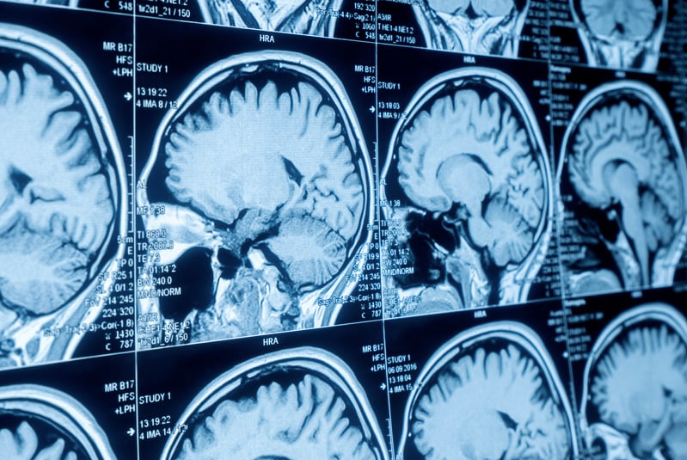
If you’ve ever had an imaging exam—whether it’s an X-ray, CT scan, MRI, ultrasound, or mammogram—you may have wondered what happens after you leave one of our imaging centers. Where do

Dr. Wesolowski, MD, MHSA, FACR Neuroradiology
your images go? Who reviews them? And how do the results get back to your provider?
While your visit may feel complete once your scan is finished, one of the most important parts of the process is just beginning—behind the scenes with a radiologist.
To help answer some of the most common patient questions, we connected with one of our radiologists, Dr. Wesolowski. He shared insight into what happens after your exam, what his role looks like day to day, and how he came to specialize in neuroradiology—meaning he reads a high volume of brain imaging studies.
Dr. Wesolowski didn’t originally plan to become a radiologist. He began his medical journey intending to specialize in anesthesiology, but during his internship—the first year after medical school—he realized he was most interested in understanding what’s happening inside the body from the outside. He was especially drawn to helping other physicians interpret complex symptoms and piece together diagnoses, often referring to radiologists as the “doctor’s doctor.”
That interest led him to complete four years of diagnostic radiology residency training, followed by two additional years of fellowship focused on brain imaging. Today, much of his work centers on neuroradiology, where he frequently interprets complex imaging of the brain and nervous system.
So, what actually happens after your imaging exam is complete?
According to Dr. Wesolowski, the process begins immediately after your exam is finished.
Your images are securely sent to a specialized system where a radiologist reviews them. Before interpretation begins, quality checks are performed to ensure the images are clear, complete, and usable.
At the same time, the radiologist reviews important clinical context—why the exam was ordered, your symptoms, and any prior imaging. This background information plays a critical role in helping guide an accurate interpretation.
Reading medical images is a careful and structured process.
Dr. Wesolowski explains that radiologists evaluate the anatomy in detail, looking for abnormalities or anything out of the ordinary. Whenever possible, they compare current images to prior exams, which helps determine whether a finding is new, stable, or improving over time and prove why its important that patients inform staff of any prior imaging you may have had in the past.
Some cases are straightforward, while others require deeper analysis or collaboration with colleagues. No matter the complexity, accuracy and attention to detail always come first.
Once the images have been reviewed, the radiologist creates a report for your provider.
These reports are precise and standardized, which can sometimes make them sound technical. However, their purpose is simple: to clearly communicate findings so your provider can make informed decisions about your care, shares Dr. Wesolowksi.
After the report is finalized, it is sent directly to your provider. If there are urgent findings, they are communicated right away to ensure timely follow-up.
In many cases, your report is also available through a secure patient portal, allowing you to stay informed about your results.
Timing can vary depending on the complexity of the exam, whether prior imaging needs to be reviewed, and overall case volume. More urgent cases are always prioritized.
Radiologists often work behind the scenes, and you may not meet them during your visit—but their role is essential.
As Dr. Wesolowski shared, every study they interpret helps guide the next step in your care. Whether it’s a routine X-ray or a detailed brain MRI, each image is carefully reviewed to help your healthcare team better understand your condition.
Radiology is, in many ways, about “seeing inside the body from the outside” and helping connect the dots—ensuring you and your provider have the answers needed to move forward.
From the moment your imaging exam is complete, a thoughtful and detailed process begins. Your images are carefully reviewed, interpreted, and transformed into a report that helps guide your provider’s next steps.
Even though much of this work happens out of sight, it plays a critical role in delivering accurate answers and high-quality care.
At our imaging centers, every scan is more than just an image—it’s an important part of your health story, handled with expertise, precision, and care every step of the way.