The 30 Minutes That Could Make a Difference: A Patient’s Guide to Mammography
For many people, scheduling a mammogram can come with a few questions: What should I…
 Menu
Menu
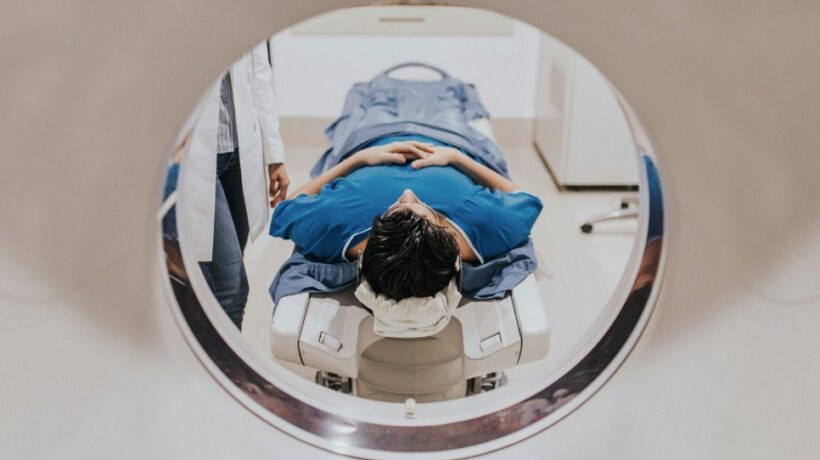
When you schedule an imaging exam, you may be asked several questions about your medical history, including whether you have any implants, medical devices, or even tattoos. While these questions may seem routine or tedious, your answers play a vital role in helping us provide the safest and most appropriate care possible.
Every Detail Matters
Whether you’re coming in for an X-ray, ultrasound, CT scan, mammogram, or MRI, it’s important to let our team know about any implant or medical device you have—even if you think it isn’t related to your exam.
Examples include:
Even if your implant has been in place for many years, it’s still important for us to know about it.
Why MRI Requires Special Attention
MRI (Magnetic Resonance Imaging) uses a powerful magnetic field instead of X-rays to create detailed images. Because of this, not every implant is safe to be scanned in every MRI system.
Many modern implants are designed to be MRI-compatible under specific conditions. However, others may:
For your safety, we carefully review every implanted device before your MRI appointment. In some cases, we may need additional information, such as the device manufacturer, model number, or implant card. Having this information available can help avoid delays and ensure we choose the safest imaging option for you.
What About X-rays, CT Scans, Ultrasound, and Mammograms?
Most implants do not prevent you from having these exams. However, knowing about your implants still helps our technologists:
Don’t Forget to Tell Us About Tattoos
Many people are surprised to learn that tattoos can also be important, especially before an MRI.
Some tattoo inks contain small amounts of metallic pigments. While problems are uncommon, certain tattoos may cause:
Our team simply needs to know if you have tattoos so we can take any necessary precautions and answer any questions before your exam. This is especially the case if you have a brand new tattoo as its recomended to wait sometime before and MRI.
When in Doubt, Tell Us
You never have to decide whether something is “important enough” to mention. If you’ve had surgery, have an implanted device, wear a medical monitor, or have any questions about something in your body, let us know.
Even if you’ve had an MRI before, new devices or updated safety guidelines may affect your current exam.
Our Goal Is Your Safety
Our screening process isn’t meant to make your appointment more complicated—it’s designed to keep you safe. By sharing information about your implants, medical devices, surgeries, and tattoos, you’re helping us provide the highest quality care while ensuring your imaging exam is performed safely and effectively.
If you’re ever unsure whether something should be mentioned before your appointment, please tell us. We’d much rather have extra information than miss something important. Your safety is always our top priority.